
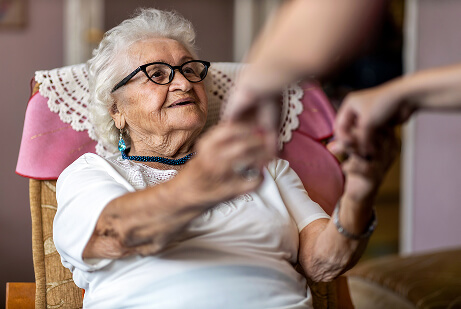
What Does a Home Caregiver Actually Do? Services, Tasks & What to Expect
Apr 6, 2026
A professional home caregiver provides personal care assistance, companionship, and household support to help seniors and aging adults with daily living activities while remaining in their own homes. This includes bathing and grooming, meal preparation, medication reminders, light housekeeping, transportation to appointments, and emotional support. Home caregivers don’t provide medical nursing care but work within what’s known as non-skilled or personal care, which is often what makes the difference between independence and institutional care for aging adults.
If you’re researching home caregivers for your parent or aging relative, you probably have questions about what exactly they do all day and whether their services would actually address the help your parent needs. The role of a home caregiver is broader and more nuanced than many people realize. Understanding what professional caregivers do—and equally important, what they cannot do—helps you make decisions with confidence and set realistic expectations.
A Day in the Life of a Home Caregiver
To understand what home caregivers actually do, it helps to walk through a typical day. When a caregiver arrives at your parent’s home for a morning shift, their first priorities are personal care assistance. This might include helping your parent out of bed, assisting with bathing or showering, selecting appropriate clothing, and grooming assistance like hair brushing, shaving, or dental care. For seniors with mobility limitations or balance concerns, this assistance is safety-critical.
After personal care, a caregiver might prepare breakfast, ensuring adequate nutrition and hydration. They’ll note any appetite changes and report concerns. Throughout the day, a caregiver provides companionship—conversation, activities, or simply being present. For seniors living alone, this human connection has measurable benefits for mental health and motivation.
Medication reminders are a standard task. The caregiver doesn’t administer medications (that requires a nurse), but they remind your parent when it’s time to take medications and verify they’ve taken them correctly. For seniors with early cognitive decline, this support is essential for medication compliance.
Meal preparation is another major responsibility. A caregiver will plan, shop for, prepare, and serve nutritious meals based on your parent’s dietary needs and preferences. Light housekeeping—dishes, laundry, tidying living spaces, light vacuuming—keeps the home safe and sanitary. A cluttered home increases fall risk, and poor hygiene can lead to infections, so these tasks directly impact health.
Transportation is often critical. A caregiver can drive your parent to medical appointments, grocery shopping, pharmacy visits, and social outings. For seniors who no longer drive safely, this opens up their world and ensures they maintain independence for as long as possible. A caregiver might also organize appointments, maintain medical records, and help coordinate communication with healthcare providers.
ADL Support: The Foundation of Home Caregiving
ADL stands for “Activities of Daily Living,” and this is the bread and butter of home caregiving. ADLs include bathing, dressing, grooming, toileting, eating, and transferring safely (getting out of bed or chairs). When a senior struggles with ADLs, it directly threatens their ability to live safely at home. A caregiver bridges this gap.
Many adult children underestimate how much physical and cognitive effort their aging parent is expending just to manage basic ADLs. Your mother might be spending two hours getting out of bed, bathed, and dressed—and then exhausted. A caregiver can accomplish this in thirty minutes safely and respectfully, freeing her energy for activities that matter.
IADL support—Instrumental Activities of Daily Living—includes managing finances, shopping, meal preparation, housekeeping, medication management, and transportation. While ADLs are basic self-care, IADLs are the slightly more complex tasks that let someone live independently. Someone might manage bathing (ADL) but struggle with meal planning and shopping (IADL). A caregiver’s support with IADLs often determines whether your parent can stay home versus moving to assisted living.
Companion Care and Emotional Support
One aspect of caregiving that adult children sometimes overlook is the profound value of companionship. A professional companion caregiver isn’t just present—they’re trained to engage your parent meaningfully. This might be reading together, working on puzzles, taking walks, encouraging memory-sharing, or simply being present for conversation. For seniors experiencing loneliness or depression, this emotional support has documented health benefits.
Companion care is also essential for safety. A caregiver’s presence reduces the risk of falls, medication mistakes, and social isolation. If your parent lives alone or has cognitive decline, a companion’s presence provides peace of mind for the family while giving your parent the dignity of remaining in their own home.
Many caregivers in San Diego build strong relationships with the seniors they serve. This consistency and emotional connection is part of what makes quality home care so valuable.
What Home Caregivers Cannot Do
Understanding limitations is as important as understanding capabilities. Home caregivers are not nurses. They cannot give injections, change wound dressings, draw blood, insert catheters, or provide other skilled nursing tasks. These require a licensed nurse. If your parent needs skilled nursing care, that’s a different service—home health nursing—that may be covered by Medicare or insurance.
Caregivers cannot provide medical diagnosis or treatment decisions. They cannot administer prescription medications, though they can remind about medications and ensure they’re taken. They cannot drive your parent to medical appointments and provide care inside the healthcare facility; they can provide transportation and wait. They cannot make unilateral decisions about medical care; they report information to the family and follow family and medical team direction.
Caregivers cannot perform specialized medical equipment management—managing feeding tubes, oxygen equipment, or complex medications—unless specially trained for those specific situations. They cannot lift and transfer unsafe situations or work without appropriate equipment; if your parent has significant mobility needs, a physical therapy evaluation may be necessary first.
Understanding these boundaries ensures expectations align with reality. When limitations exist, the care team (which might include nurses, physical therapists, or physicians) works together to address the full picture.
Nona’s Caregiver Training and Standards
At Nona’s Home Care in San Diego, our caregivers are carefully selected and thoroughly trained. Every caregiver completes background checks and medical clearance. They receive training in personal care assistance, mobility and transfer safety, dementia care approaches, nutrition and meal planning, medication reminders, and emergency response procedures.
Our caregivers understand the emotional and psychological dimensions of aging. They’re trained in dignity-centered care—approaching personal care assistance in ways that respect your parent’s autonomy and emotional well-being. They receive ongoing training and supervision to ensure quality and consistency.
We believe that the relationship between caregiver and client is central to quality care. We prioritize consistency, matching caregivers thoughtfully with families and minimizing turnover so your parent develops trust in their caregiver. We’re also responsive to your family’s specific needs and preferences, whether that’s assisting with hobbies your parent enjoys or accommodating cultural or religious practices that matter to them.
How to Request Specific Services
When you hire a caregiver through an agency, communication about specific needs is essential. Whether your parent needs help primarily with bathing and grooming, or whether they also need cooking and errands, being clear about priorities ensures the right person is matched to the role.
You might request a caregiver with experience in dementia care, Spanish language ability, experience with specific medical equipment, or strength in mobility assistance. Some families need morning care while others need afternoon or evening companionship. Some need full-time care; others need part-time support.
The care plan should be detailed and updated regularly. As your parent’s needs change—and they will—ongoing communication ensures the caregiver can adapt. You should feel empowered to provide feedback and request changes if something isn’t working.
The Human Element
Perhaps the most important thing to understand about what home caregivers do is that the role goes beyond tasks. A caregiver provides structure and normalcy to your parent’s day. They provide accountability and follow-through on medical recommendations. They provide dignity and respect at a vulnerable time of life. They provide the human contact that makes aging in place possible.
When it’s done well, home caregiving allows your parent to maintain their identity, their home, and their independence for as long as possible. That’s the real value of this work.
Frequently Asked Questions
What’s the difference between a home caregiver and a home health aide?
Home caregivers provide non-medical personal care and companionship. Home health aides work under a nurse’s direction as part of a skilled care plan and are ordered by a physician for a medical condition—often covered by Medicare during recovery periods. Home caregivers are typically private pay or funded through programs like IHSS.
Can a home caregiver help with medications?
A caregiver can remind your parent when it’s time for medication and verify they’ve taken it correctly. However, only a licensed nurse can administer injections or handle certain medications. A caregiver can organize a pill organizer and help your parent take pills from it, but cannot make medical decisions about medications.
How many hours of caregiving does my parent need?
This depends entirely on your parent’s functional ability and needs. Some people need 4 hours of support a few days per week; others need full-time care. A care assessment by a professional can help determine realistic needs. Many families start with fewer hours and increase as needs evolve.
What if my parent has dementia—can a caregiver handle that?
Yes, professional caregivers with dementia training can provide excellent support. They understand how to communicate effectively, manage behavioral changes with patience and empathy, and maintain a safe environment. Dementia-specific training is important, and experienced caregivers make a significant difference.
How do I know if my parent is getting good caregiver support?
Good signs include: your parent looks well-groomed and well-nourished, the home is clean and organized, your parent speaks positively about the caregiver, the caregiver communicates proactively about your parent’s needs and concerns, and care consistency is maintained. Trust your instincts—you know your parent best.
Ready to Learn More About Professional Care?
If you’re considering in-home caregiving for your parent, meeting experienced caregivers who understand their needs is the next step. Nona’s Home Care in San Diego brings together experienced, compassionate caregivers who understand the personal dimension of this work. We’ll discuss your parent’s specific needs, match them thoughtfully with the right caregiver, and provide ongoing support to your family.
Meet the Nona’s team—experienced, compassionate San Diego caregivers who provide both the practical support and human connection your parent deserves. Contact us to learn more about how we can help.